Based on : IATA · ASK and passenger traffic · Emirates
Count the direction before the seats
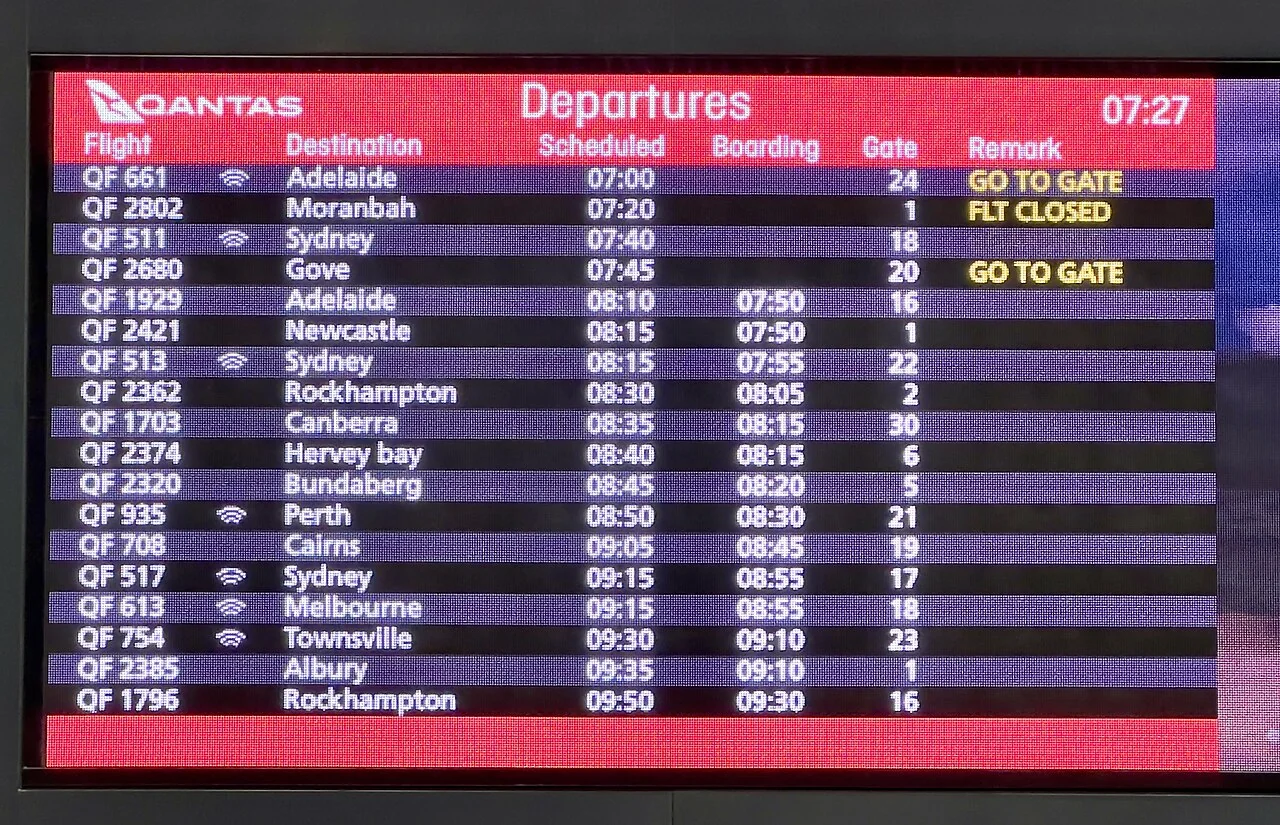
IATA defines ASK as available seats multiplied by flight distance. For a weekly route view, first count departures in one direction on the exact dates, then multiply each flight’s configured seats by its frequency. Do not use a manufacturer’s maximum cabin as the booked airline’s layout. Scheduled capacity is not the number of seats still for sale, passengers carried or a guarantee that every flight operates.
A fictional comparison
A offers seven weekly departures with 150 seats each: 1,050 one-way seats. B offers three with 300 seats: 900. A has over twice the departures but only 16.7% more seats. If each service also has an equivalent return, the two-direction figures become 2,100 and 1,800. Label both directions explicitly instead of silently doubling a one-way figure. Different days may still make B unsuitable for your trip.
Allow for a mixed schedule
Suppose three flights use 150-seat cabins and two use 200-seat cabins: total 850, not five times one chosen model’s capacity. Compute each group separately. Check seasonal exceptions, changes of aircraft and local departure dates. To compare distance-weighted capacity, multiply those seats by a consistent distance convention; do not compare ASK and raw seats as if they were the same unit. The traffic calculator explains the related arithmetic.
A case from the news
October 22, 2026 — Emirates announced on 22 October 2026 that an Airbus A350 would operate its daily EK709/EK710 rotation between Dubai and Mauritius from 1 November. It is scheduled to replace the Boeing 777 used on this service. The announced cabin has 298 seats: 32 Business, 28 Premium Economy and 238 Economy. The airline says its other two daily Mauritius rotations remain A380-operated. This is an aircraft change on an existing route.
Emirates ·
Explore the numbers
More seats or more departures?
Compare a fictional schedule with seven weekly departures of 180 seats. All calculations cover one direction only.
- Seats per week
- 1 260
- Reference: 7 × 180
- 1 260
Capacity difference: 0 %
Capacity = departures × seats. These are scheduled seats, not passengers carried. For ASK, also multiply by distance in kilometres.
Four departures of 320 seats offer 1,280 seats, almost as many as seven of 180 seats (1,260). They offer fewer departure choices. More frequency does not guarantee daily service: check operating days and season.
Air traffic and weighted load factor calculator →
Background guide prepared with AI assistance. Teaching examples do not necessarily describe real situations. For a travel decision, consult current information from the airline, airport or competent authority.