Based on : US Department of Transportation · Emirates · Emirates
Read the dated schedule
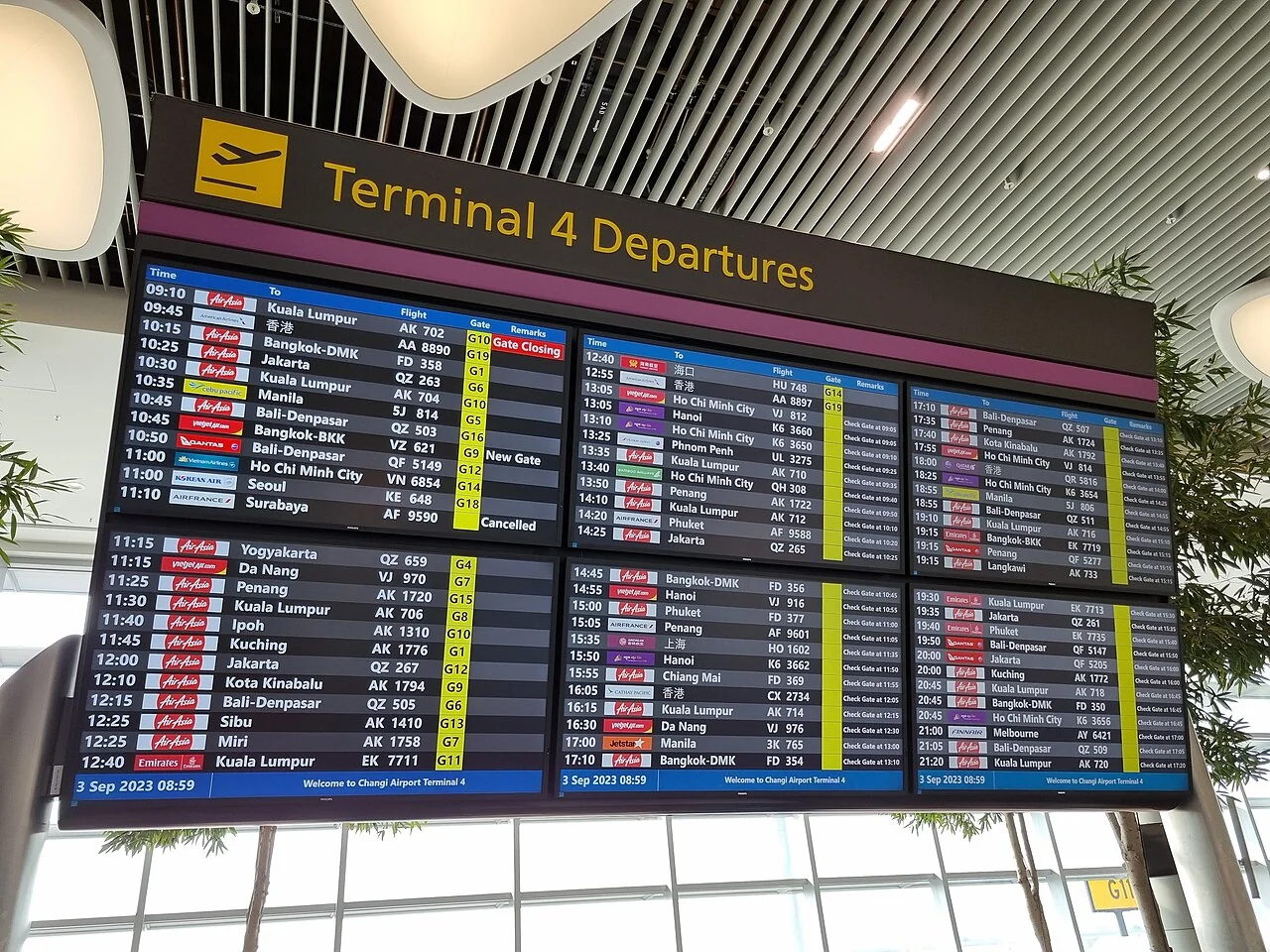
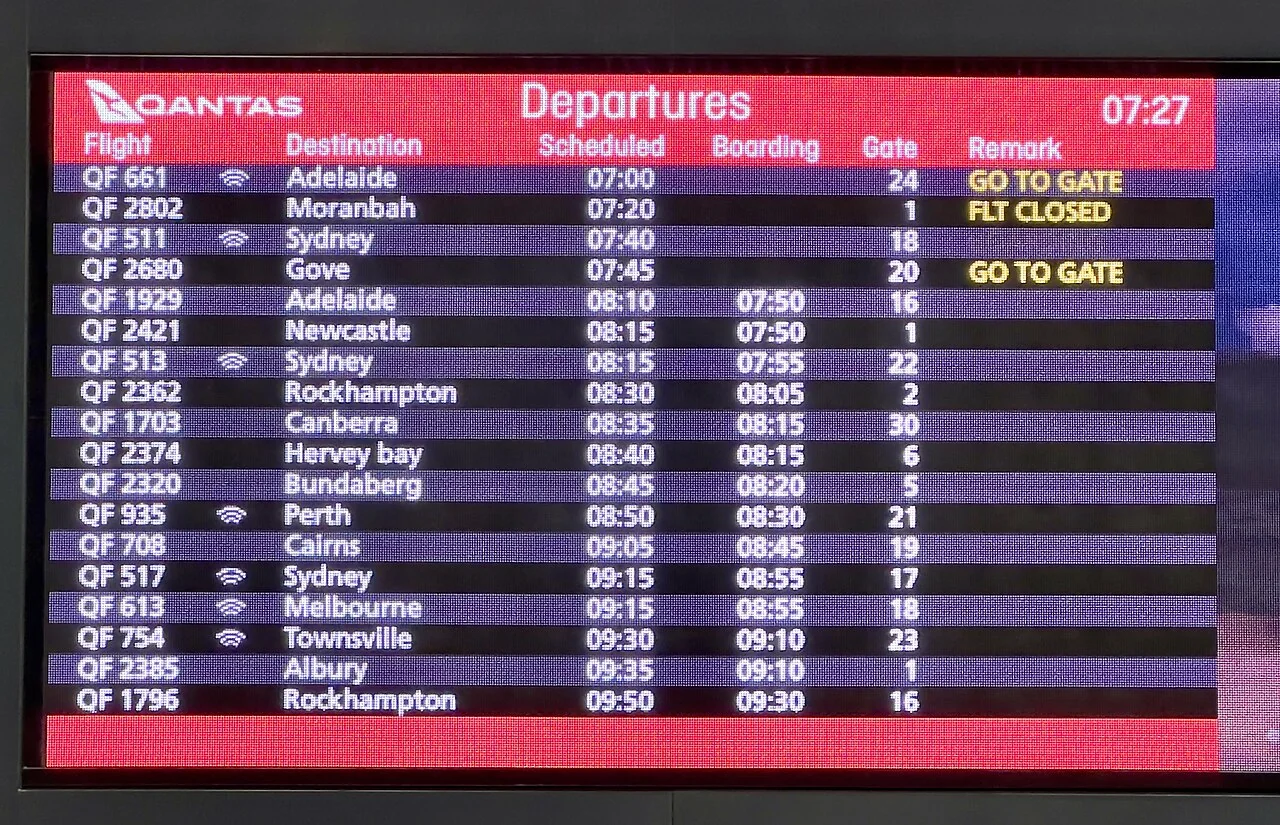
Seven weekly flights can mean one every day, or a different distribution across days. A seasonal announcement can start after your planned departure or end before your return. Check a schedule for the exact travel date and identify which airline operates the service. An announcement is not proof of a flight operating today.
Compare useful timings
A morning outbound and late return can create a different stay from a late outbound and early return. The same weekly frequency can therefore produce different practical value. Compare local dates, arrival-day markers and ground transport availability instead of judging a route solely by the published weekly total.
Assess connection compatibility
A flight can arrive at a hub after the onward departure it is intended to feed. Minimum connection time, terminal transfers and the days of both services matter. Check the complete itinerary. A route’s existence does not mean it connects with every other route in the network on every day.
Consider recovery capacity
If the next service runs several days later, a missed flight has different consequences from a route with many alternatives. A higher frequency does not guarantee spare seats, rerouting rights or punctuality. Read disruption conditions and identify usable alternatives before treating frequency as a resilience score.
Three weekly flights can hide a long gap
Fictional departures on Monday, Wednesday and Friday at 09:00 give gaps of 48, 48 and 72 hours to the next Monday. The weekly total hides the longer weekend gap. Mark your dates and the next usable departure after disruption. A scheduled service guarantees neither seats nor protected rebooking. Fictional example: seven departures spread across Monday to Friday provide none on Sunday. A weekly total therefore does not establish daily service. Check day, direction and operating period before planning a return journey; equal frequencies in both directions do not establish a suitable return on your chosen day.
A case from the news
October 22, 2026 — Emirates announced on 22 October 2026 that an Airbus A350 would operate its daily EK709/EK710 rotation between Dubai and Mauritius from 1 November. It is scheduled to replace the Boeing 777 used on this service. The announced cabin has 298 seats: 32 Business, 28 Premium Economy and 238 Economy. The airline says its other two daily Mauritius rotations remain A380-operated. This is an aircraft change on an existing route.
Emirates ·
A case from the news · 2
October 20, 2026 — Emirates announced fourteen additional Dubai–Durban flights for the holiday period on 20 October 2026. The airline plans a second daily frequency from 17 to 23 December 2026 and from 2 to 8 January 2027, using a three-class Boeing 777. The regular daily EK775/EK776 service is due to continue. The additional frequency therefore concerns these two seven-day periods, rather than the whole winter. This remains the airline’s published schedule and may change before travel.
Emirates ·
Explore the numbers
More seats or more departures?
Compare a fictional schedule with seven weekly departures of 180 seats. All calculations cover one direction only.
- Seats per week
- 1 260
- Reference: 7 × 180
- 1 260
Capacity difference: 0 %
Capacity = departures × seats. These are scheduled seats, not passengers carried. For ASK, also multiply by distance in kilometres.
Four departures of 320 seats offer 1,280 seats, almost as many as seven of 180 seats (1,260). They offer fewer departure choices. More frequency does not guarantee daily service: check operating days and season.
Calculate duration using local dates and time zones →
Air traffic and weighted load factor calculator →
Background guide prepared with AI assistance. Teaching examples do not necessarily describe real situations. For a travel decision, consult current information from the airline, airport or competent authority.