Aircraft
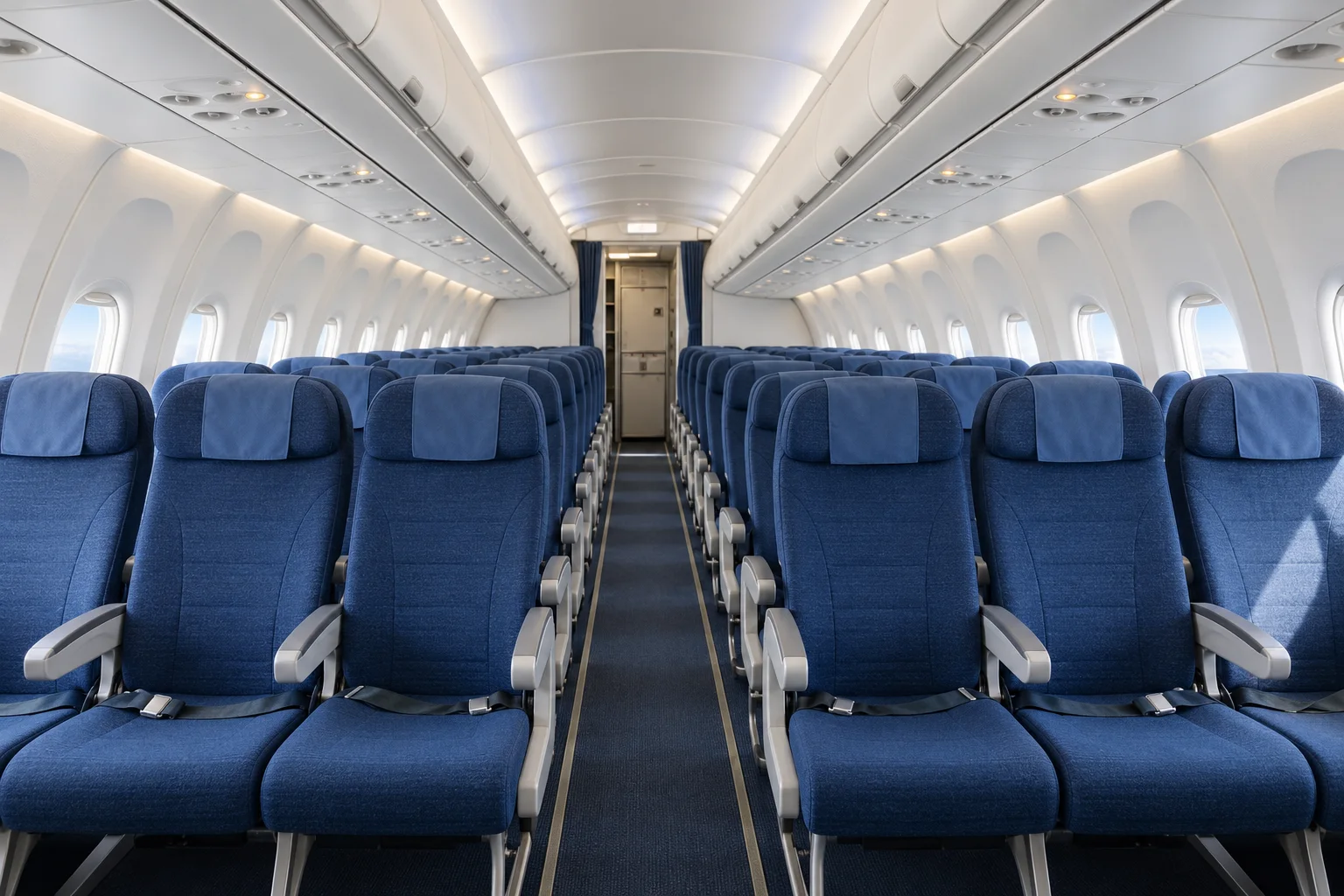
Seat pitch, seat width and cabin layout: compare comfort properly
The same aircraft model can offer very different seating arrangements.

Desk
Fleet technology, performance, maintenance and the choices behind commercial aircraft deployment.
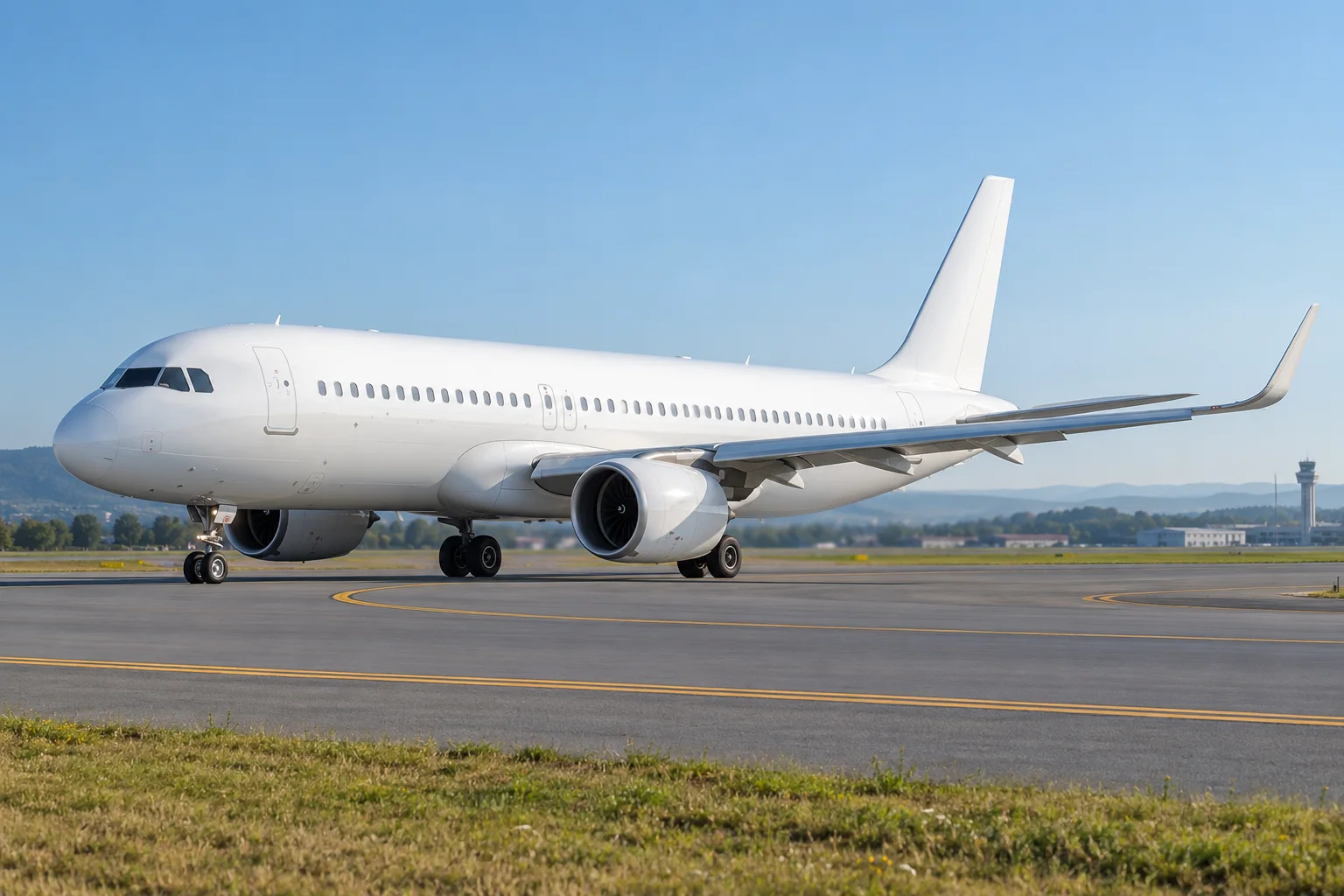
The distance a jet can fly depends on payload, fuel, weather and operating limits.
Design approval, production approval and an individual aircraft’s airworthiness are different steps.
Commercial aircraft are maintained through tasks built around time, flight hours, cycles, condition and mandatory instructions.
The same aircraft model can offer very different seating arrangements.
Aerodynamic efficiency comes from a complete aircraft design, not the shape of a wingtip alone.
Two manufacturer announcements, with dates and a clear distinction between flight testing and delivery.
The distance a jet can fly depends on payload, fuel, weather and operating limits.
Design approval, production approval and an individual aircraft’s airworthiness are different steps.
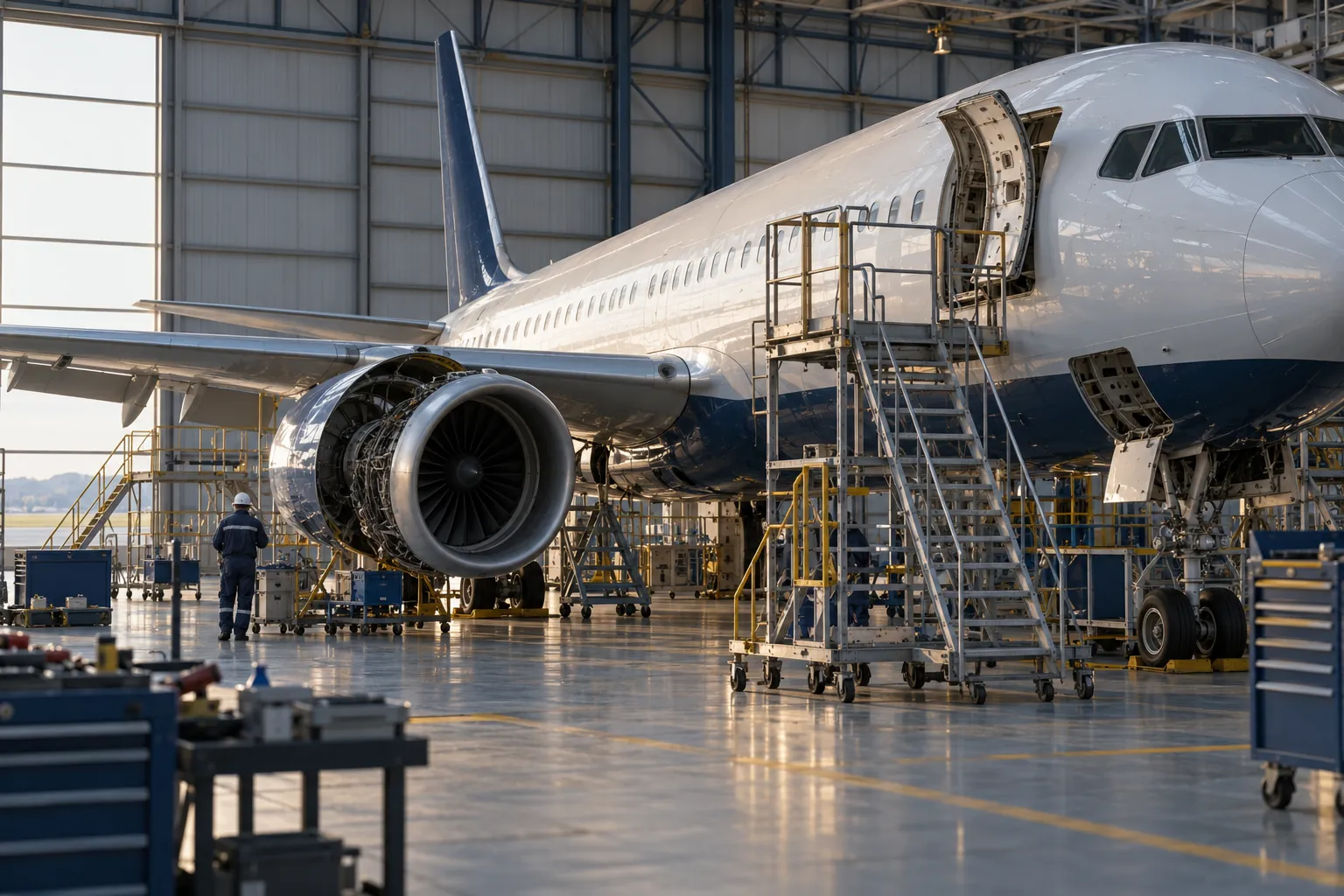
Commercial aircraft are maintained through tasks built around time, flight hours, cycles, condition and mandatory instructions.
Long-range operations depend on approved aircraft, trained operators, suitable diversion airports and conditions that are checked for every flight.
Range and seats attract attention, but training, maintenance and operational flexibility often decide a fleet plan.
Aircraft
Published range is a planning reference, not a promise for every flight. Payload, winds, reserves, runway performance and airline configuration can change the route an aircraft can serve.
Type certification establishes an approved design; individual aircraft also need continuing maintenance and airworthiness oversight. A technical capability and an airline decision to use it are different things.
They may describe different weight options, payload, cabins or reserves, or a different revision. Prefer a dated specification with its assumptions; do not merge a headline from one variant with the seats of another.
No. The operating airline chooses the cabin and may change aircraft. Use its flight-specific seat map; typical and maximum manufacturer seating are reference values.