Based on : Schiphol Airport · Lufthansa Group
Separate the aircraft’s needs
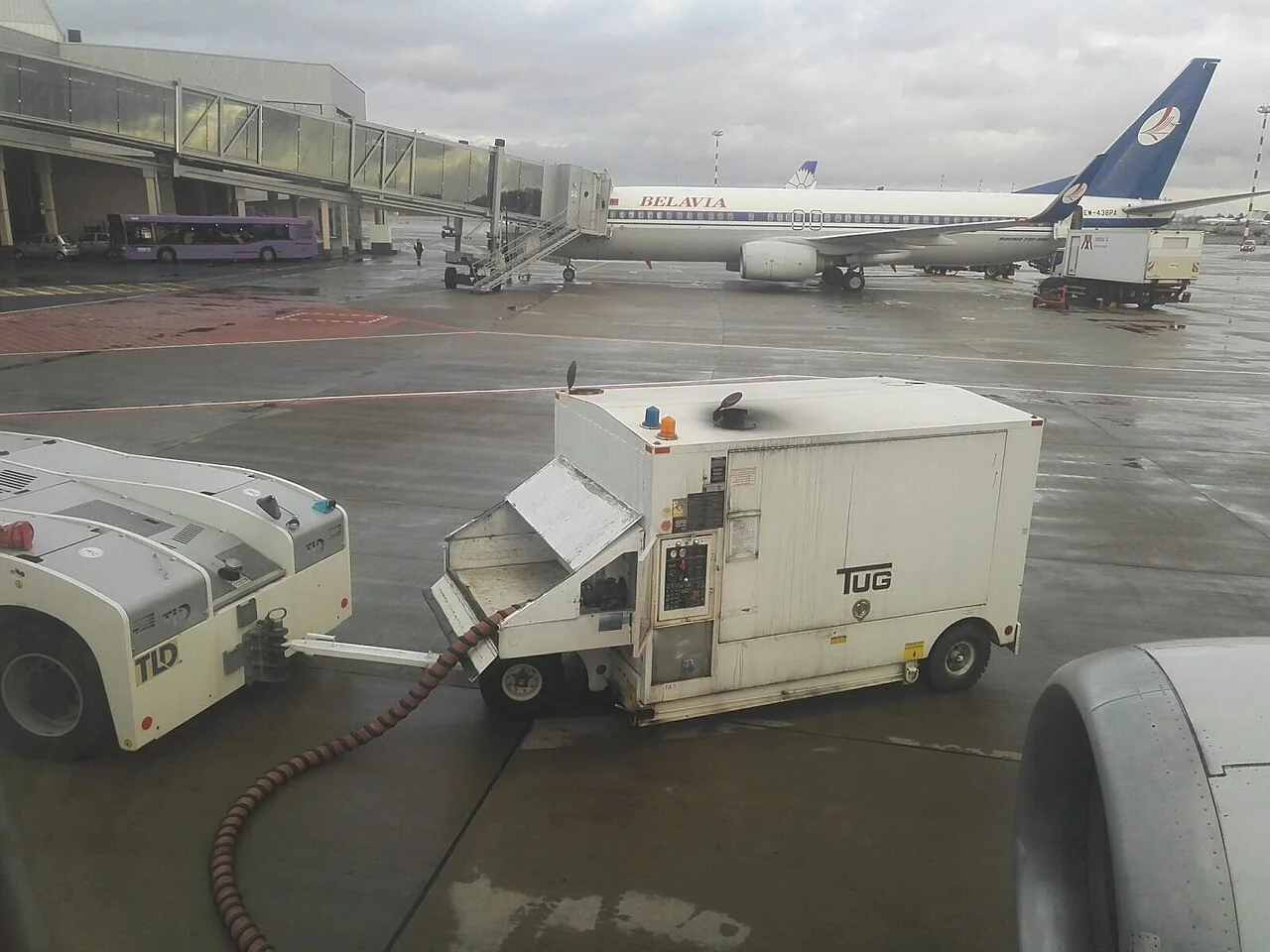
An aircraft at a stand still needs electrical power and cabin services. Its auxiliary power unit, or APU, is not the main propulsion engine. External electrical power can supply some ground needs, while pre-conditioned air provides another service. Plugging in electricity does not automatically describe every system or phase of a turnaround.
Distinguish the equipment
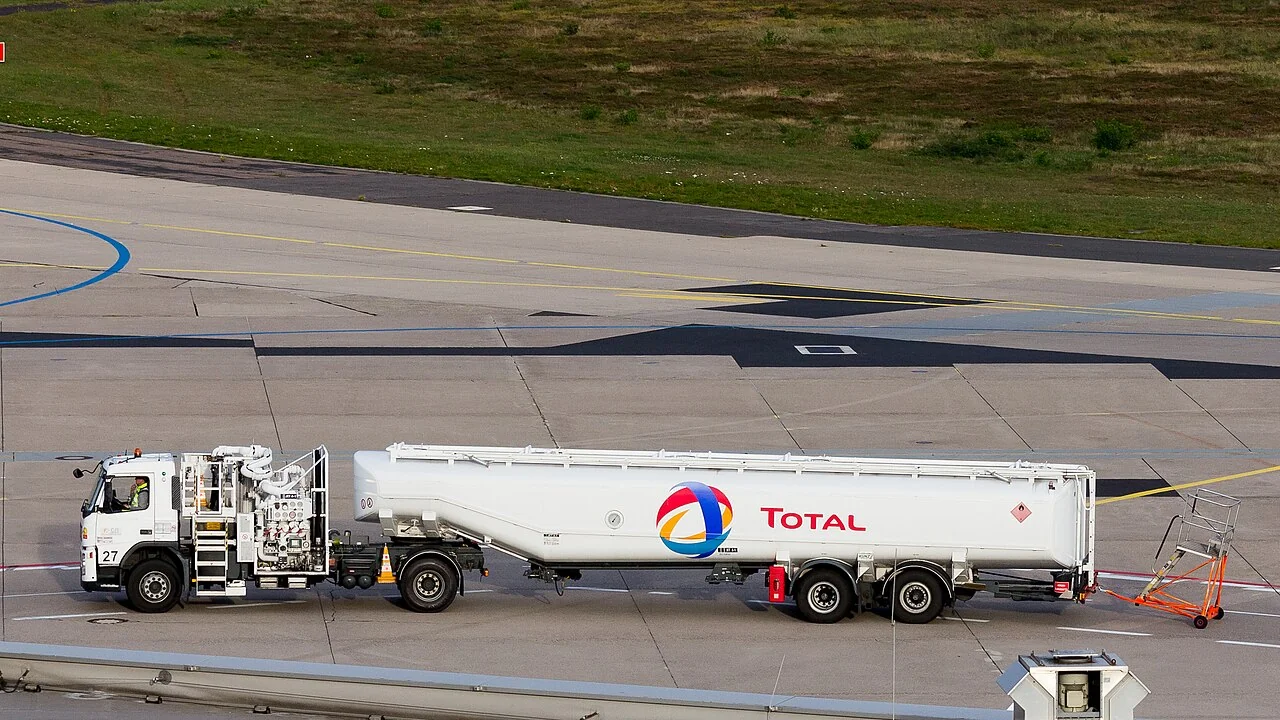
Fixed power at a stand, a mobile ground power unit and pre-conditioned air equipment have different functions. Schiphol describes fixed units, electric mobile units and electric cabin-air equipment in its airport programme. Their availability at one airport does not prove the same provision at every terminal or stand elsewhere.
Measure the right boundary
Replacing a diesel ground unit can reduce on-site exhaust, while the electricity still has a production footprint. Avoid confusing local air quality, airport-controlled emissions and an aircraft’s full flight emissions. A reduction in APU operation concerns a defined period on the ground; it does not turn the whole journey into a zero-emission flight.
Check operational compatibility
The equipment must be available and suitable, and airline procedures still apply. Charging infrastructure, servicing access and reliability influence deployment. For a useful comparison, state the period, equipment replaced, electricity basis and which emissions are included. Do not assign a universal saving to every parked aircraft.
Electricity and cabin air are separate services
Schiphol describes fixed power, electric ground-power units and electric pre-conditioned air as equipment that can support switching off the aircraft’s APU at the stand. When comparing an airport initiative, ask separately which stands have electrical power, which have conditioned air, and how long aircraft actually use them. Equipment availability and measured APU-off minutes are different indicators. Do not apply a ground-handling improvement to the entire flight’s emissions, or label a whole airport emission-free because one service has been electrified. Check the electricity and reporting boundary too.
A case from the news
October 23, 2026 — Lufthansa Group announced on 23 October 2026 that its Green Fare is being renamed Impact Fare. The group describes this as a continuation of an existing offer combining additional sustainable aviation fuel, or SAF, with contributions to climate projects. According to Lufthansa Group, the SAF associated with bookings is used in its operations within six months of departure. This network contribution does not mean the fuel is loaded onto the passenger’s aircraft, or that the flight no longer produces emissions.
Background guide prepared with AI assistance. Teaching examples do not necessarily describe real situations. For a travel decision, consult current information from the airline, airport or competent authority.