Based on : ICAO · IATA · Sustainable Aviation Fuel · Lufthansa Group · EASA · ReFuelEU Aviation 2026
Sustainable aviation fuel is assessed across its supply chain, not only at the aircraft exhaust.
Follow the full pathway
A lifecycle assessment considers the steps that produce, move and use a fuel. Different feedstocks and production processes have different emissions. Aircraft still release carbon dioxide when burning a carbon-based fuel; the comparison concerns the whole pathway.

Use a defined method
ICAO publishes lifecycle values and methods for eligible fuels under CORSIA. Direct production emissions and, where relevant, induced land-use effects enter the calculation. A claim needs a specified pathway, boundary and comparison fuel.
Read claims precisely
A lower lifecycle figure is not the same as zero exhaust emissions or universal sustainability. Supply, certification and accounting rules matter. Ask which fuel, production route, percentage blend and emissions method support a published reduction.
The boundary behind a percentage
A claimed lifecycle reduction compares emissions across feedstock, production, transport and use with a defined conventional-fuel baseline. Different pathways can produce different results, and a physical blend still releases carbon dioxide during combustion. Ask which batch or accounting method supports the claim, what certification applies and whether another party has already claimed the same environmental benefit.
A pathway percentage is not the whole-flight reduction
Fictional calculation on a common energy basis: 20% SAF with a 70% lifecycle reduction for that portion gives 0.20 × 0.70 = 14% for the blend, other assumptions equal. Not 70% for the whole flight. Check blend basis, reference fuel, certification and lifecycle greenhouse gases versus combustion CO₂.
A case from the news
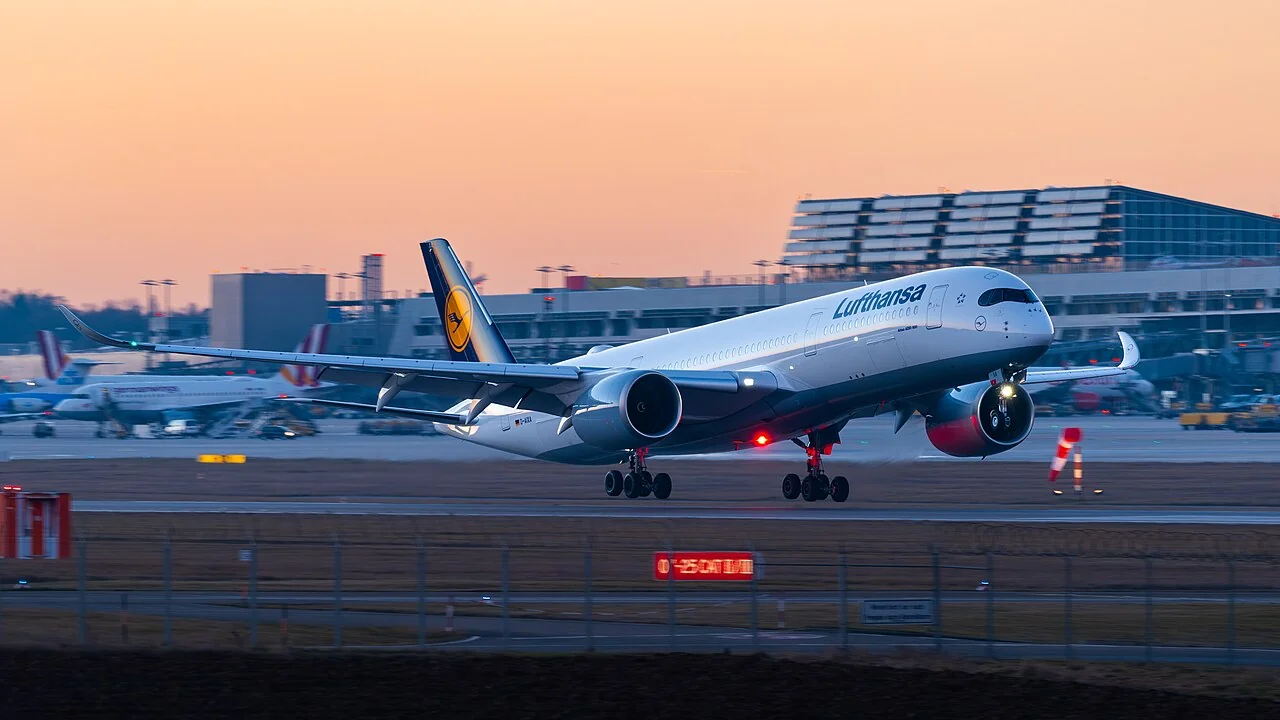
October 23, 2026 — Lufthansa Group announced on 23 October 2026 that its Green Fare is being renamed Impact Fare. The group describes this as a continuation of an existing offer combining additional sustainable aviation fuel, or SAF, with contributions to climate projects. According to Lufthansa Group, the SAF associated with bookings is used in its operations within six months of departure. This network contribution does not mean the fuel is loaded onto the passenger’s aircraft, or that the flight no longer produces emissions.
What the 2025 EU figures measure
In its 2026 technical report, EASA puts sustainable aviation fuel (SAF) at 2.79% of the fuel that reporting suppliers delivered to EU airports in 2025. It estimates an average lifecycle saving of about 89% for the reported SAF itself. That saving compares the SAF with a fossil reference fuel; it does not describe all fuel supplied or the emissions of a typical flight. The 2 November corrigendum did not change the reported volumes or indicators.
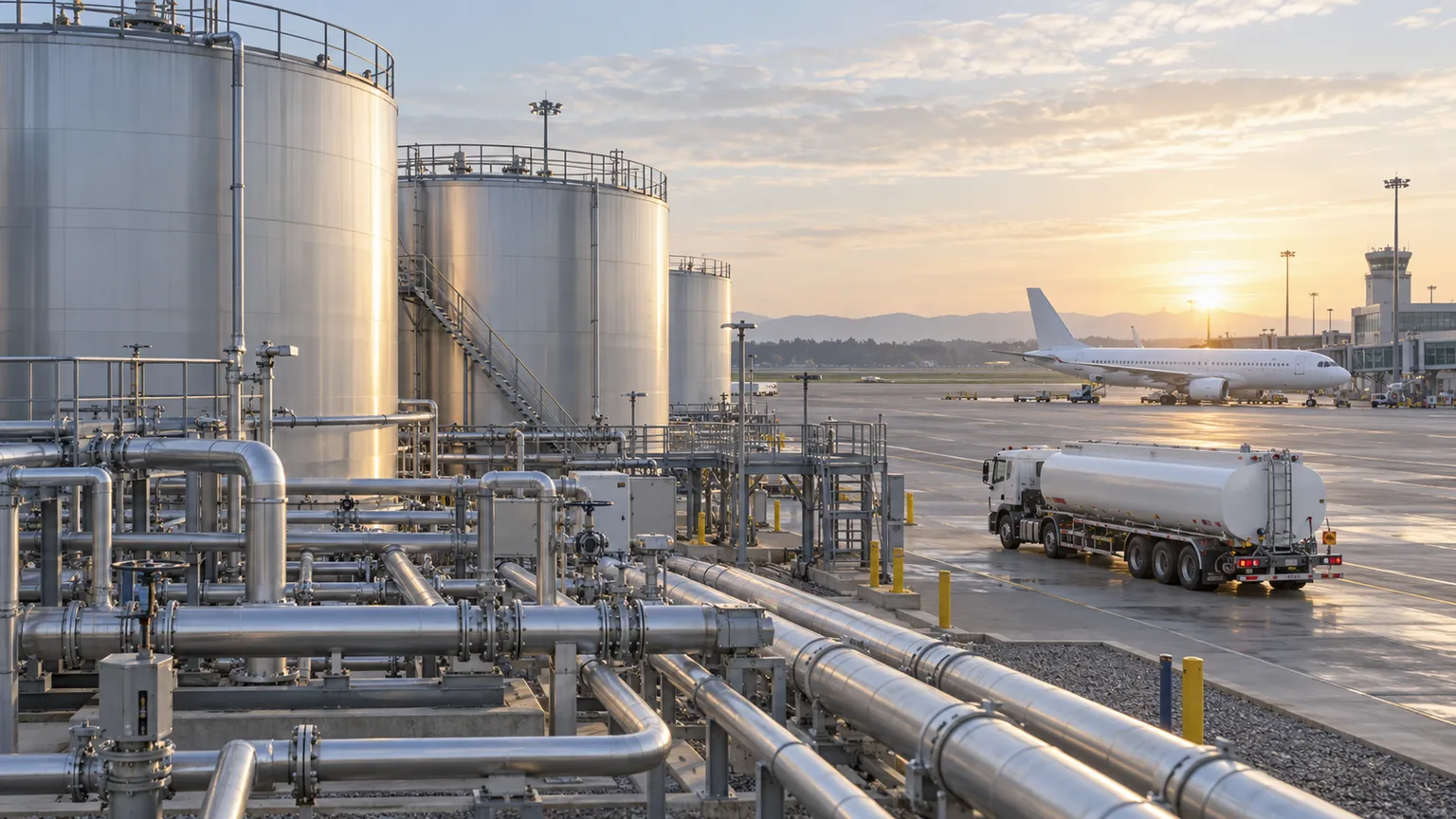
Imagined airport fuel storage and distribution facility. It does not depict an actual airport, certified fuel batch or specific SAF production pathway.
Questions about this topic
Does lower lifecycle CO₂ mean no emissions in flight?
No. SAF still produces CO₂ when burned. Lifecycle savings compare production and use against a specified fossil baseline; they cannot be substituted for an aircraft’s exhaust emissions or total climate effects.
What belongs beside a quoted reduction?
The fuel pathway, fossil baseline, lifecycle boundary and certification method. Without them, two percentage claims may describe different comparisons.
Background guide prepared with AI assistance. Teaching examples do not necessarily describe real situations. For a travel decision, consult current information from the airline, airport or competent authority.