Based on : IATA · SAF costs and supply · Lufthansa Group
SAF can work within today’s aircraft and fuel systems, but supply, feedstocks and price determine how quickly it scales.
Compatible does not mean abundant
Approved sustainable aviation fuels can be blended into the conventional supply system, which limits changes for aircraft and airports. The constraint is the quantity produced under recognised sustainability criteria, not simply technical compatibility.
The price gap matters
New plants, feedstock competition, energy use and financing all affect cost. Mandates and incentives can create demand, but transparent accounting is needed to show who pays and what emissions reduction is actually attributed to a flight.
Questions behind a claim
Readers should look for the fuel pathway, blend share, accounting method and lifecycle boundary. A purchase agreement can support future production without meaning every aircraft on a route physically receives the same blend.
A price gap is not the full business case
The cost of sustainable aviation fuel depends on feedstock, conversion process, plant scale, logistics and policy framework. An airline also needs dependable volume, quality and accounting that supports the environmental claim. Comparing only a headline price per litre can miss delivery and certification costs; comparing only a promised emissions reduction can miss the limited supply available for the route network.
Separate a blend’s price from a full-flight cost
IATA distinguishes SAF production costs from market prices that can include certification, transaction costs and supply-chain markups. A fictional mass-based example uses conventional fuel at 1 monetary unit/kg and SAF at 3 units/kg. A 20% SAF blend costs 0.8 × 1 + 0.2 × 3 = 1.4 units/kg, 40% above the conventional baseline, before other charges. That is not a 40% increase in ticket price or total flight cost. Use the same currency, mass basis, delivery point and date when comparing quotes.
A case from the news
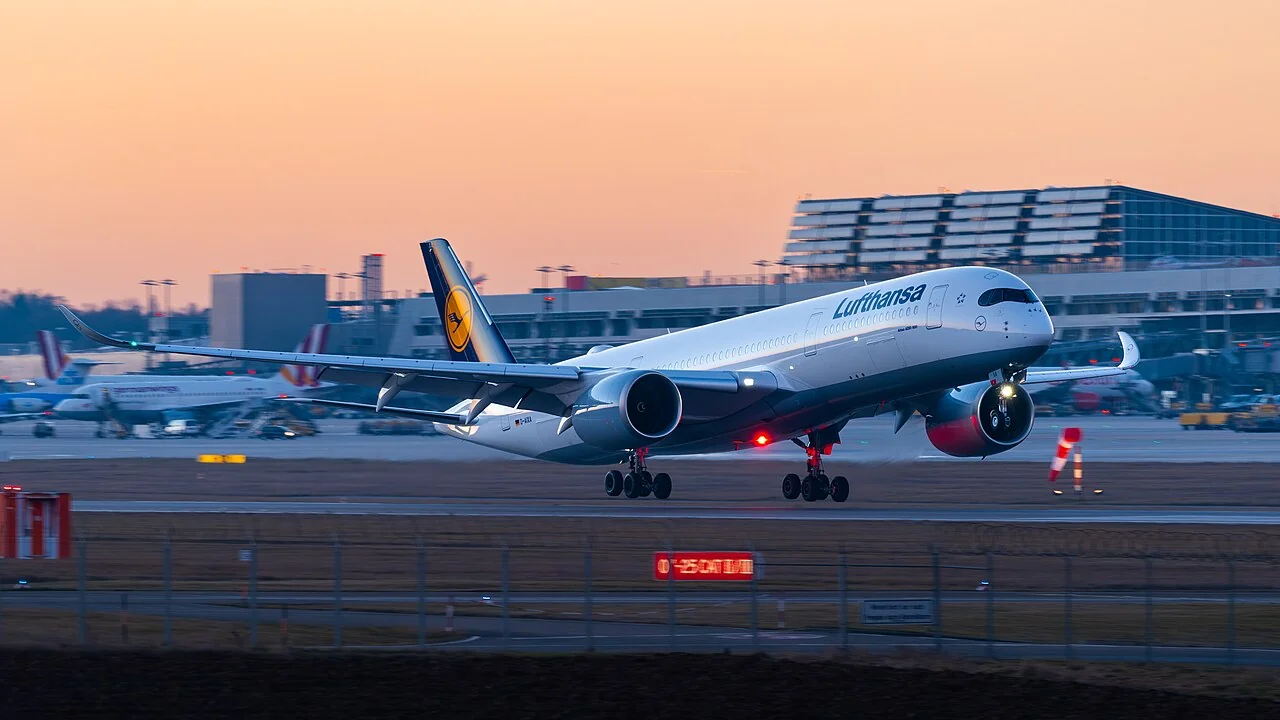
October 23, 2026 — Lufthansa Group announced on 23 October 2026 that its Green Fare is being renamed Impact Fare. The group describes this as a continuation of an existing offer combining additional sustainable aviation fuel, or SAF, with contributions to climate projects. According to Lufthansa Group, the SAF associated with bookings is used in its operations within six months of departure. This network contribution does not mean the fuel is loaded onto the passenger’s aircraft, or that the flight no longer produces emissions.
Questions about this topic
Why does more SAF supply not immediately lower every fare?
Fuel price, blend share, contracts and airline cost allocation all matter. A production announcement is not the same as delivered, certified fuel available at a specific airport.
What is the difference between capacity and supplied fuel?
A plant announcement, certified production and delivery to an airport are separate stages. Check the period, volume basis and actual availability behind a supply claim.
Background guide prepared with AI assistance. Teaching examples do not necessarily describe real situations. For a travel decision, consult current information from the airline, airport or competent authority.