Based on : Airbus · A220 integration · Transavia · Lufthansa Group
Range and seats attract attention, but training, maintenance and operational flexibility often decide a fleet plan.
Beyond purchase price
Aircraft economics include financing, fuel, maintenance, airport charges and the revenue a cabin can generate. Common systems can also reduce spare-parts variety and simplify how crews move across the schedule.
The value of flexibility
A related aircraft family may let an airline substitute capacity when demand or maintenance changes. That flexibility is valuable during disruption, but concentration on one type can also expose the network to a fleet-wide technical issue.
A long decision horizon
Fleet choices last decades and depend on future routes, delivery positions and infrastructure. The best option on paper may not be available when the network needs it.
Common does not mean identical
Aircraft in one family may still need different engines, cabin equipment, maintenance parts or crew qualifications for particular variants. The value of commonality depends on the operator’s actual fleet and route mix. A lower training burden or easier aircraft substitution can be valuable, but it should be compared with acquisition cost and the capability of the alternative aircraft.
Common family does not mean interchangeable cabins
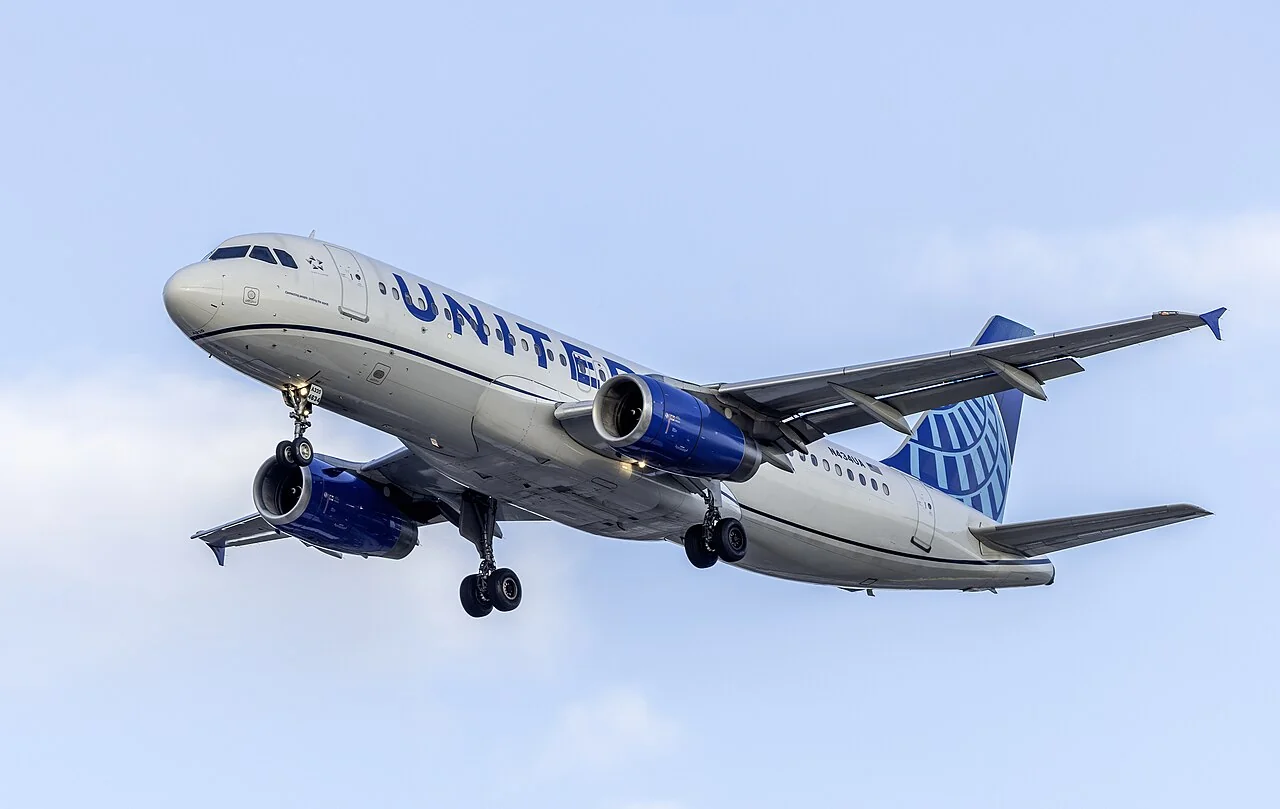
Our reference lists the A319neo, A320neo and A321neo as separate models with different length, seat assumptions and published range. Family relationships can simplify parts of training and support while variant-specific limitations remain. For passengers, a substitution within a family may still change the cabin layout or allocated seat. Distinguish fleet efficiencies from a promise of identical onboard service.
A220 commonality: name the component population
Airbus reports more than 99% commonality of line-replaceable units between the A220-100 and A220-300, plus the same engine family. This is a manufacturer statement about those components and those two variants. It does not mean that 99% of every Airbus aircraft is interchangeable, or that costs fall by 99%. When comparing fleets, separate component inventories, pilot qualification, maintenance training and cabin equipment. Ask what the denominator includes and which variants are covered; a family label alone cannot establish a substitution or a cost saving.
A case from the news
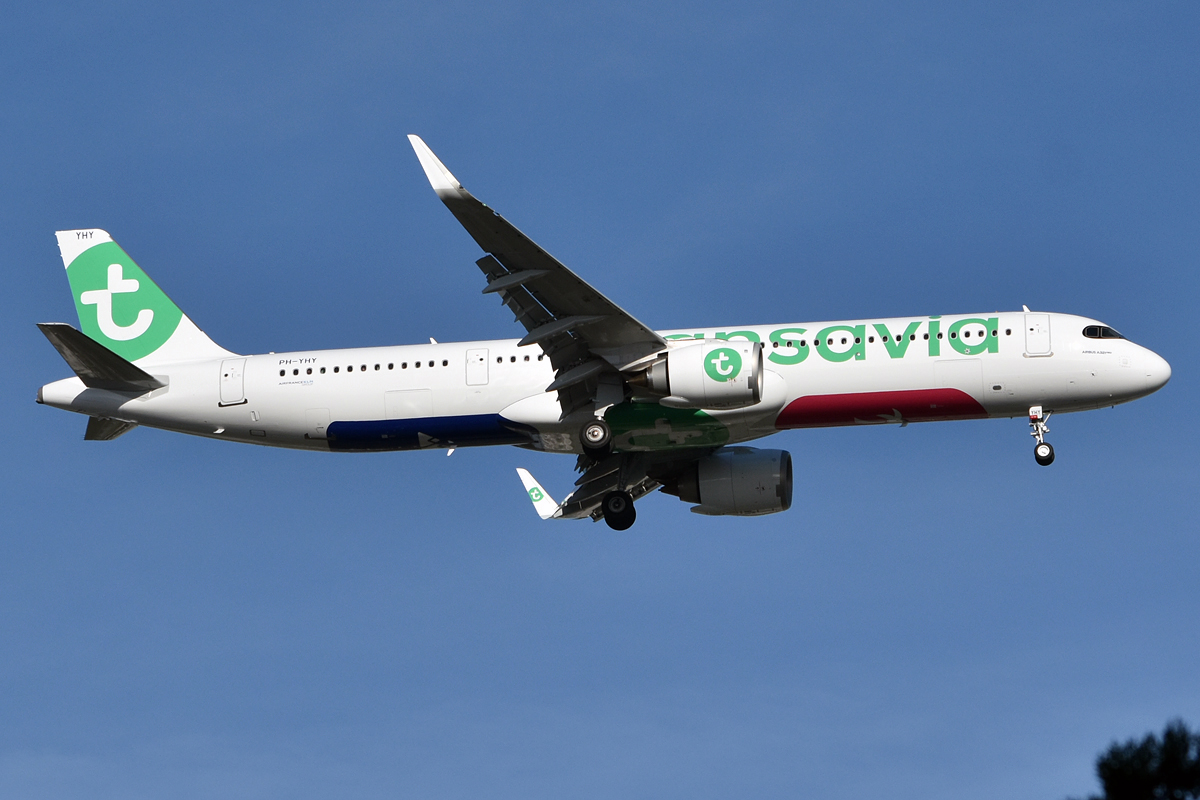
October 20, 2026 — Transavia announced on 20 October 2026 that it had received its twentieth Airbus A321neo the previous day. Registered PH-YHI, the aircraft arrived at Schiphol on 19 October. The Dutch airline now reports 20 A321neos and 33 Boeing 737s in its fleet. The airline expects to complete its fleet renewal in 2031, an announced target rather than a completed programme. These fleet figures concern Transavia in the Netherlands and should not be presented as Transavia France’s aircraft count.
A case from the news · 2
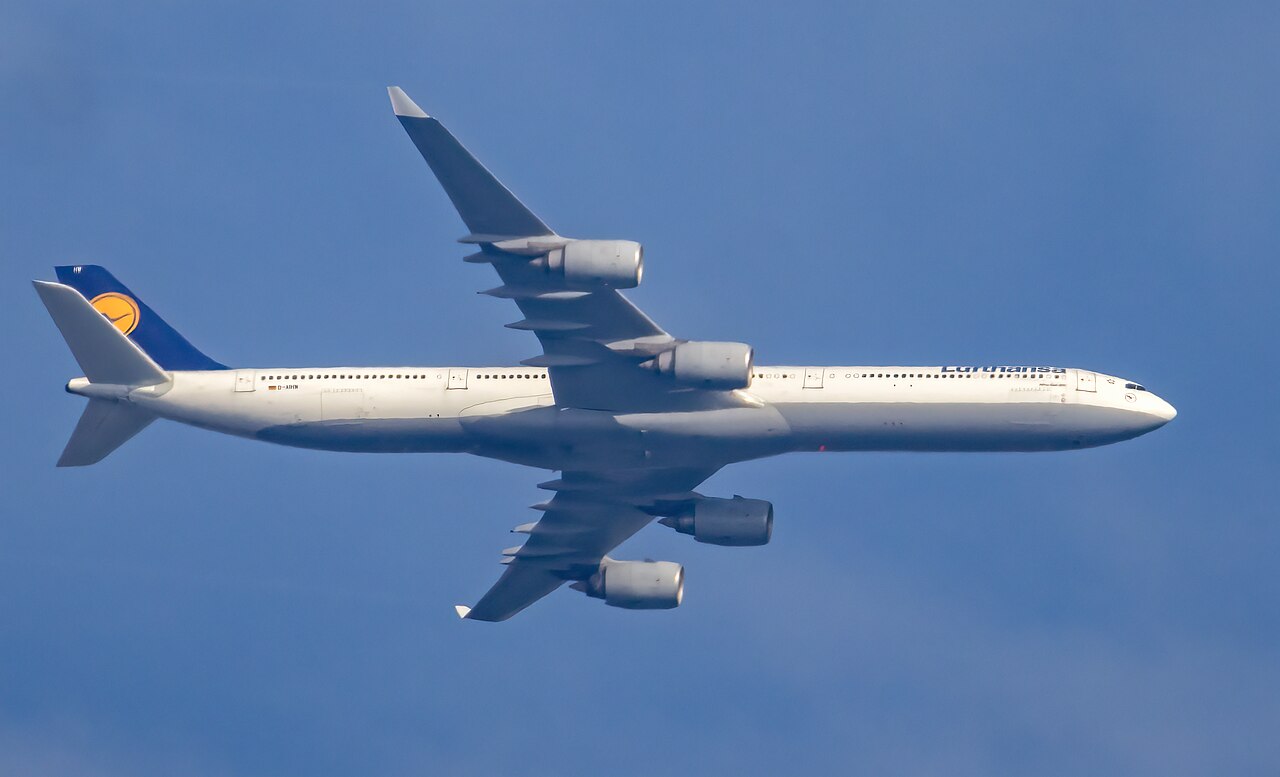
October 19, 2026 — Lufthansa announced that flight LH419 from Washington, arriving in Frankfurt on 19 October 2026, was its final scheduled commercial Airbus A340-600 flight. Aircraft D-AIHW closed twenty-three years of operating this variant at the airline. The release places the retirement within long-haul fleet renewal. It specifically concerns the A340-600, rather than every A340 or every four-engine aircraft leaving on the same day. The context photograph predates the farewell flight.
Worked example
A common fleet still needs a substitution check
Illustrative scenario, not an airline or airport operating record.
| Question | Potential benefit | Limit to verify |
|---|---|---|
| Can crews operate both variants? | More scheduling flexibility | Required qualifications and currency |
| Can parts and tools be shared? | Fewer separate stock lines | Actual part numbers and approved applicability |
| Can one model replace another? | Recovery after a disruption | Seats, payload, range, gates and crew availability |
How to read the result
Shared branding is not evidence that every crew, component or route is interchangeable. Evaluate the approved overlap and the specific mission. A smaller substitute may protect a departure yet leave passengers behind; a larger substitute may need a different gate or offer less suitable capacity. Stress-test the comparison by removing one assumption at a time: available crew, a shared part or maintenance capacity. Record which benefit survives and which cost remains unknown. Do not assign a fleet-wide saving to each aircraft without stating the allocation used.
Questions about this topic
Does sharing a family mean aircraft are interchangeable?
No. Crew qualifications, engine variants, maintenance tasks, capacity and airport performance still differ. Commonality reduces some complexity but cannot eliminate operational planning.
Does one aircraft family make all crews interchangeable?
No. Required qualifications, operator procedures and variant differences still matter. Commonality can reduce complexity without eliminating training or operational requirements.
Background guide prepared with AI assistance. Teaching examples do not necessarily describe real situations. For a travel decision, consult current information from the airline, airport or competent authority.