Removing contamination and protecting clean surfaces are different tasks, and neither creates an unlimited window for take-off.
A clean wing is essential
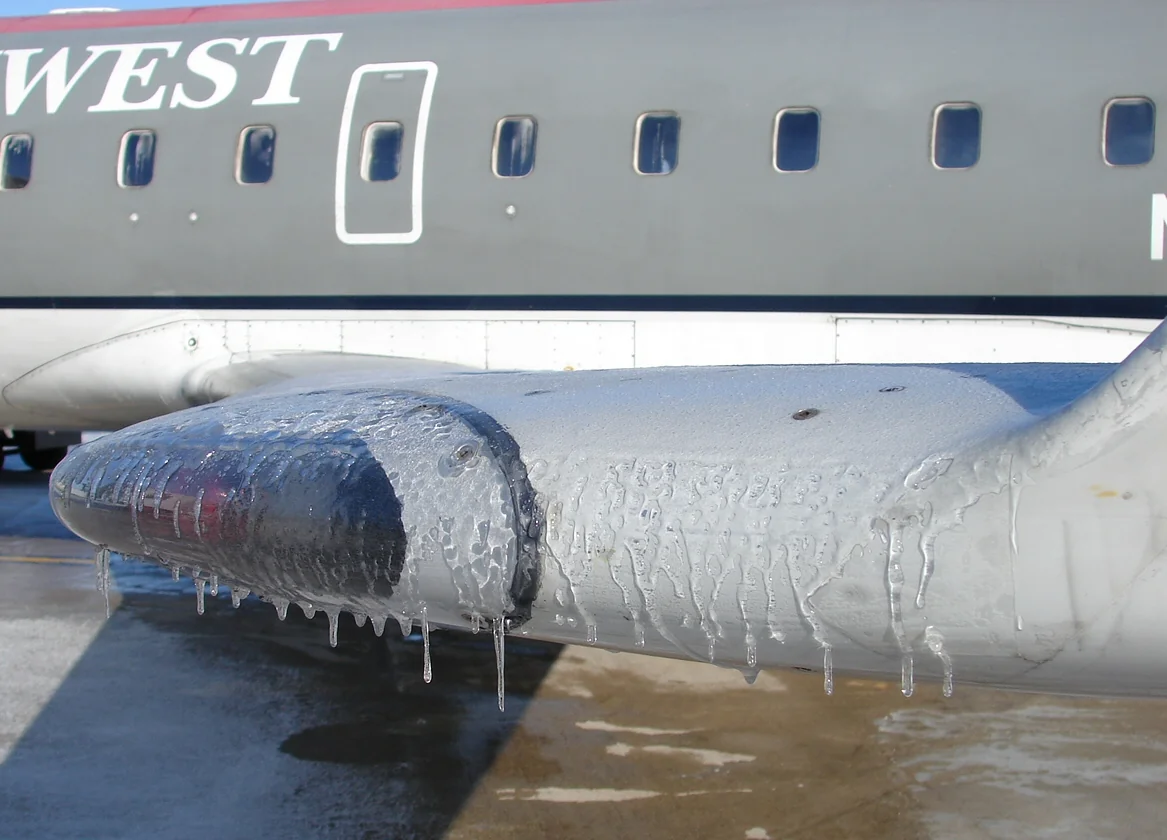
Snow, frost and ice can change the shape and roughness of a lifting surface. Deicing removes contamination already present; anti-icing fluid can provide temporary protection against further accumulation.
Protection time is conditional
Holdover guidance depends on fluid, mixture, temperature and precipitation. It is a planning aid, not a guarantee. Weather changes or queues can require another inspection or treatment.
The crew makes the departure decision
Airport teams coordinate pads, vehicles and runoff while the operator follows an approved programme. The aircraft must meet the clean-aircraft requirement at take-off.

Why a second treatment may be necessary
If precipitation continues, the protection estimated from the anti-icing fluid can expire while an aircraft waits for clearance. The crew must then reassess the aircraft’s surfaces under the approved procedure, and another treatment may be required. This is why an apparently ready aircraft can return to the stand instead of departing.
Why a queue can trigger another assessment
Suppose an aircraft is treated and then waits longer than expected before departure. The original treatment does not establish unlimited protection: precipitation, temperature, fluid and surface conditions still matter. Holdover guidance is conditional, so the crew’s approved checks or a new treatment may be necessary. A passenger’s elapsed-time estimate cannot decide whether a surface remains protected.
A case from the news
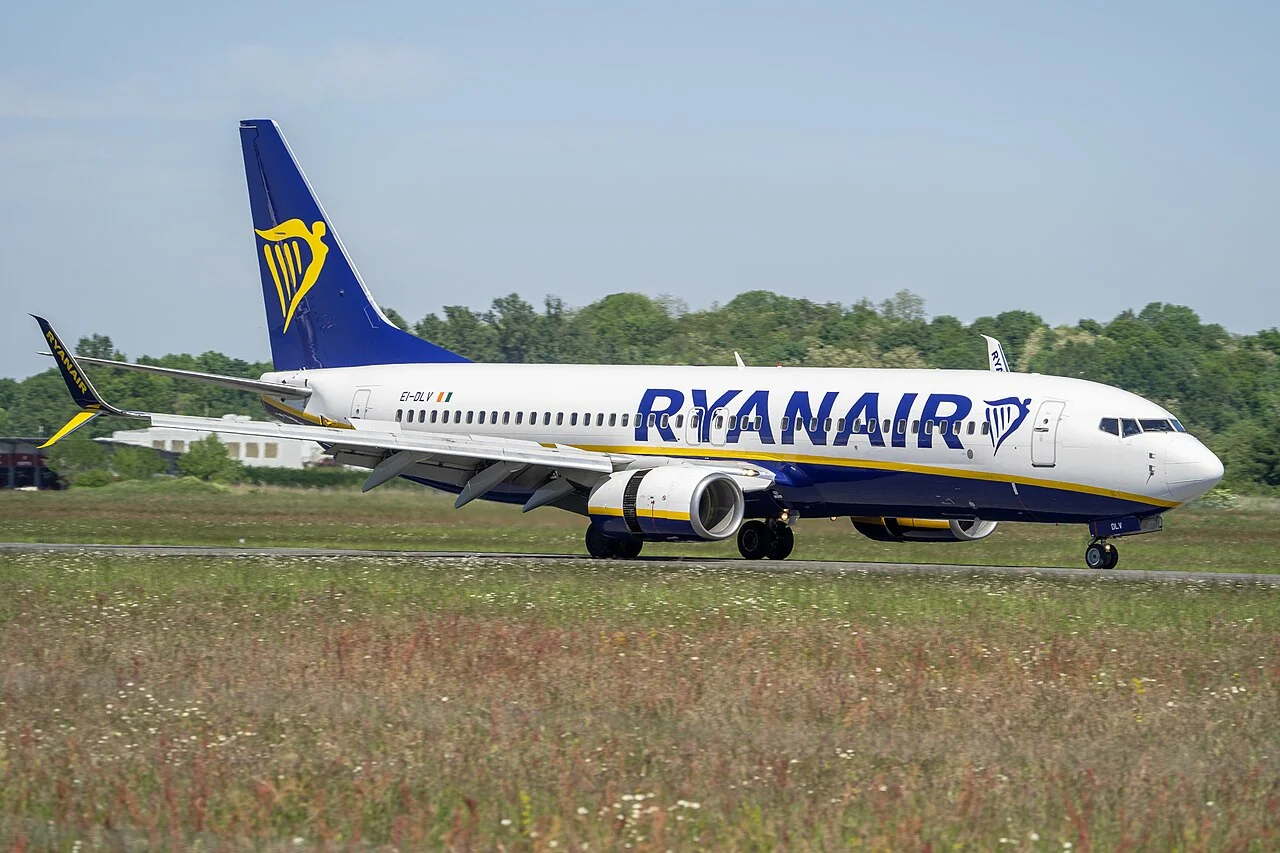
October 22, 2026 — Ryanair announced on 22 October 2026 that Clare County Council had approved its expansion project at Shannon Airport. The airline plans a €50 million investment, a four-bay maintenance hangar and more than 400 skilled jobs. Construction is planned to begin in early 2027. The project also includes a training academy with stated capacity for 80 apprentices. The jobs and capacity remain project targets; planning approval does not mean the new facilities are already open.
Ryanair ·
Questions about this topic
Does deicing remove all risk until takeoff?
No. Protection depends on conditions, fluid and elapsed time. Holdover guidance can expire; crews may require another inspection or treatment before departure.
Why can treatment need to be repeated?
Conditions and elapsed time can change the protection available. Crews follow the applicable procedures and current assessment; passengers should not infer readiness from an earlier spray.
Background guide prepared with AI assistance. Teaching examples do not necessarily describe real situations. For a travel decision, consult current information from the airline, airport or competent authority.