Based on : IATA
A first recognition for two organisations
IATA announced on 28 October that Air New Zealand and Hong Kong International Airport are the first organisations to obtain its One ID Certification. The certificates were presented at the World Passenger Symposium in Macao. The initiative aims to support trust when airlines, airports and other participants exchange digital identity information across a passenger journey.
 IATA ·
What the certification covers
The framework separates four areas: digital admissibility checks, contactless travel, biometric handling, and privacy, consent and governance. An organisation can be certified in one or several areas. IATA says the first two recipients cover all areas applicable to their respective operations. That wording does not necessarily mean an airline and an airport have identical operational certification scopes.
IATA ·
Hong Kong already has a deployed system
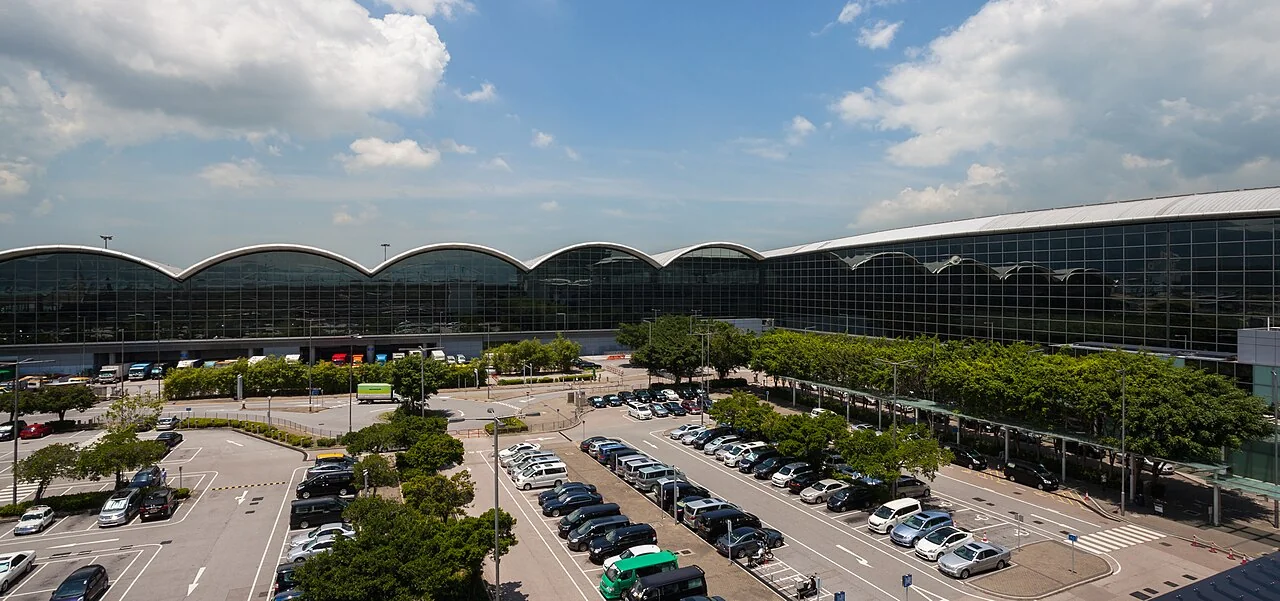
The airport uses Flight Token, launched in 2021. Its operator says more than 80% of departing passengers are eligible to use the system across all checkpoints in the departure journey covered. It also reports that more than 93 million passengers have used Flight Token since launch. The first percentage measures eligibility, not by itself the proportion of all travellers who actually choose or complete the biometric process.
IATA ·
A cross-border trial, not a universal rollout
Air New Zealand refers to a trial with Hong Kong showing how digital identity could work across borders. It highlights fewer repeated document presentations and the importance of protecting personal information. The announcement does not, however, describe that experiment as a general removal of formalities from all of the airline’s international services.
IATA ·
An industry standard has a defined reach
One ID is an aviation industry framework, separate from governments’ admission decisions. IATA itself says wider adoption depends partly on governments issuing and accepting digital travel credentials. Certification therefore recognises processes that meet the standard. It does not establish that a physical passport or a particular travel formality is unnecessary on an individual itinerary.
IATA ·
Summary written with AI assistance using the sources listed. Announcements and forecasts are attributed to their authors; publication does not confirm that plans have been carried out.